With freezing temperatures in Coastal Virginia, residents are advised to keep their pets safe by bringing them indoors. Under Virginia Code § 3.2-6500, it is illegal to leave dogs tethered or chained outside when temperatures are at or below 32∘ or during extreme weather warnings. Pets must have access to dry, insulated, and wind-protected shelter.
So, how does the Virginia Zoo keep the animals in their care safe?
Kirstin Pendleton, the Virginia Zoo’s senior marketing and digital specialist, told 10 On Your Side that Ricky the pig keeps warm by wearing his favorite jacket!

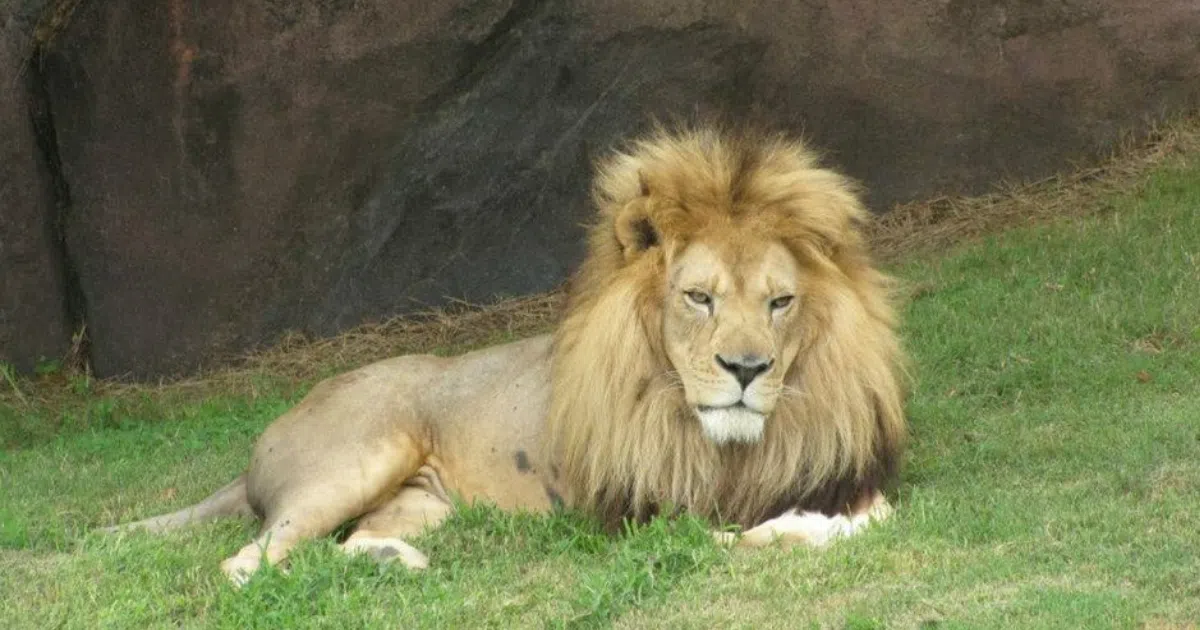
Orangutans Schnitz and Pepper have heat and blankets, and the lions bask in the sunlight to stay warm, just like your cats at home!
Many animals like to nest when the weather is cold. If you have used newspapers, zoo officials ask that you drop them off at the zoo so that animals can use them to stay warm.
While we can’t take lions home to cuddle (as much as we’d love to), we can take smaller animals in need home during the freezing temperatures.
Our local animal shelters provide the supplies (food, bowls, any medications the animal is on, etc.), all you need to provide is a little bit of love and space for your new four-legged friend! You can also help local animal shelters by dropping off blankets to keep the animals warm.

And don’t forget about our backyard friends! Eastern Virginia Wildlife Rescue shared the following tips for keeping wildlife safe:
🐦 Provide Fresh Water
Set out a shallow bowl or bird bath with fresh water. Check it daily and break any ice. Adding a small rock or stick gives birds and small animals a safe place to perch while they drink.
🌿 Leave Natural Shelter
Fallen leaves, brush piles, and branches provide important insulation and protection from the cold. Consider delaying heavy yard cleanup until spring.
🍎 Offer Food Responsibly
If you choose to feed wildlife (squirrels & birds), provide unsalted nuts, seeds, or fresh fruit. Avoid bread, salty, or processed foods, as they can be harmful.
🪵 Create Safe Access
In deep snow, clearing a small path can help animals reach shelter and water more easily.
📸 Know When to Reach Out
If you see wildlife out in the open, injured, or behaving unusually during freezing weather, please contact a permitted wildlife rehabilitator for guidance.


Comments